Why Is My Dog Being Aggressive All of a Sudden?
Why Is My Dog Being Aggressive All of a Sudden? Understanding Sudden Changes in Behavior
If you’ve found yourself asking, “Why is my dog being aggressive all of a sudden?” you’re not alone. Sudden changes in your dog’s behavior can be deeply concerning, especially when aggression appears unexpectedly. At Feeling Pawsitive Veterinary Behavior Solutions, located at 217 West Stone Avenue, Greenville, SC 29609, our veterinary behaviorists understand how distressing it is when a previously friendly dog starts growling, snapping, or even biting. In this guide, we’ll help you recognize the signs of sudden aggression, explore possible causes—both medical and behavioral—and explain how our specialized team works with families across Greenville and surrounding communities to restore peace and safety at home. You’ll also find steps you can take right away, along with guidance on when it’s time to seek professional behavioral help for your dog.
Recognizing Sudden Aggression: What to Watch For
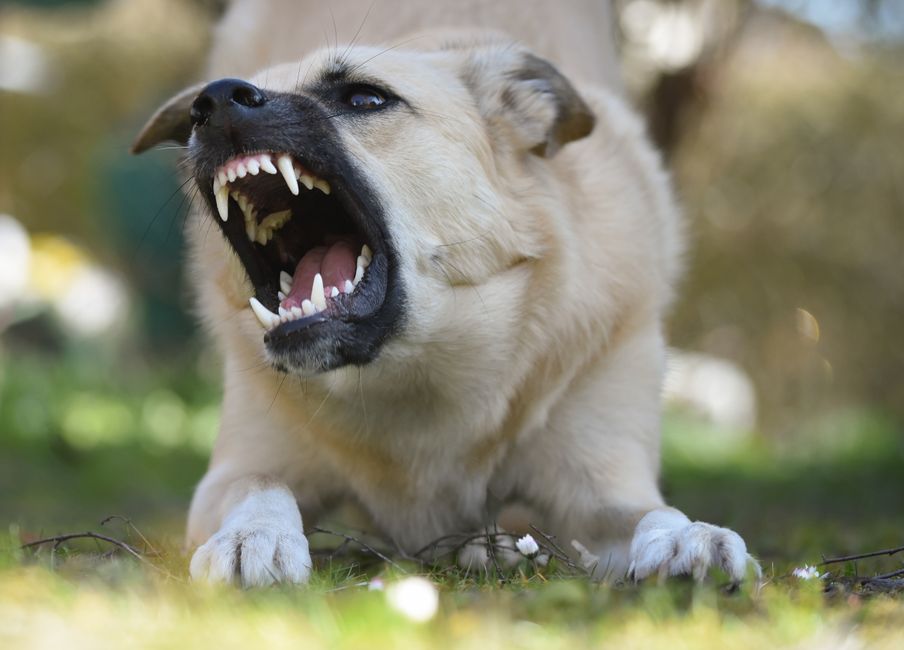
Sudden aggression in dogs can take many forms. Owners often notice warning signs first, such as a dog who begins growling when approached, snapping at family members, or guarding food or toys more fiercely than usual. Other signs include lunging at visitors, snarling during grooming or handling, or even biting seemingly “out of the blue.” Sometimes, the change is subtle; your dog may stiffen, freeze, or avoid certain people or situations that were previously unproblematic. These behaviors can happen at home, on walks, or in new environments. It is important to remember that aggression is often a symptom of underlying stress, fear, pain, or anxiety, rather than a personality flaw in your dog.
If you observe these changes, especially if your dog’s behavior has shifted quickly, it is vital to consider the context. Has your dog recently experienced a stressful event, such as moving homes, changes in family routine, or the introduction of a new pet or person? Perhaps your dog’s aggression occurs only around certain resources, like food or toys. Noticing when and where the aggression occurs helps our veterinary team build a detailed understanding of your dog’s triggers and emotional state.
Why Is My Dog Being Aggressive All of a Sudden? Exploring the Causes
Sudden aggression in dogs is rarely random. There are several reasons why your previously calm companion might begin acting aggressively, and understanding the root cause is essential for developing an effective treatment plan.
Medical Triggers: Pain, Illness, and Neurological Issues
Medical problems are among the most common reasons for sudden changes in behavior. Painful conditions such as arthritis, dental disease, or injuries can make even the gentlest dog react aggressively when touched or handled. Internal issues like ear infections, vision or hearing loss, or even underlying neurological disorders can also contribute. Additionally, some metabolic or hormonal conditions, such as thyroid imbalances, may alter your dog’s mood or reactivity. Because these issues are not always obvious, a full medical evaluation by your primary care veterinarian is a crucial first step whenever aggression appears suddenly.
Behavioral and Environmental Factors
Beyond medical causes, sudden aggression is often rooted in emotional triggers. Dogs use aggressive signals to communicate fear, anxiety, or frustration when they feel threatened or overwhelmed. Common behavioral causes include fear of unfamiliar people, animals, or environments; resource guarding (protecting food, toys, or favorite spots); and redirected aggression, where a dog lashes out at a nearby person or animal due to frustration or overstimulation. Changes in your home environment, such as a new schedule, loud construction, or the arrival of a new baby or pet, can also disrupt your dog’s sense of security.
For more information about the complex nature of dog aggression and the different types—such as fear, resource guarding, and reactivity—you can visit our comprehensive page on dog aggression and growling.
Genetics and Early Experiences
A dog’s genetics and early life experiences play a role in shaping behavior as well. Some breeds have a higher predisposition to certain types of aggressive behavior, while puppies who lacked proper socialization may be more likely to develop fear-based aggression as adults. Past trauma or negative experiences, especially those involving people or other animals, can also set the stage for future behavioral challenges.
Treatment and Management: How Veterinary Behaviorists Can Help
When you’re facing sudden aggression in your dog, it’s important to know that effective, compassionate help is available. At Feeling Pawsitive Veterinary Behavior Solutions, our veterinary behaviorists provide advanced expertise in diagnosing and managing complex behavioral issues. Our approach is always science-based and tailored to the individual needs of your dog and family.
Comprehensive Evaluation and Diagnosis
The first step in addressing why your dog is being aggressive all of a sudden is a thorough behavioral consultation. Our team will gather a detailed history, assess your dog’s environment, and review any recent changes in routine or health. We collaborate closely with your primary care veterinarian to rule out or address any underlying medical issues before proceeding with a dedicated behavior plan.
Personalized Treatment Plans
Treatment options involve a combination of behavior modification techniques, environmental management, and, when appropriate, behavioral medications. We use gentle, reward-based training methods designed to reduce fear, anxiety, and reactivity. For example, desensitization and counterconditioning can help your dog learn that previously scary situations are safe, while clear management strategies help keep everyone safe during the treatment process.
In some cases, medications can help decrease your dog’s underlying anxiety or reactivity, making the training process smoother and more effective. Our veterinary behaviorists have specialized training to select and monitor medications safely, always prioritizing your dog’s overall wellbeing.
If you would like a detailed overview of how our services work, including comprehensive evaluation and tailored treatment plans, please explore our veterinary behavioral services page.
Ongoing Support and Follow-Up
Behavior change takes time and patience. Our team provides ongoing support, working with you to troubleshoot challenges, adjust treatment plans as needed, and celebrate every step forward. We understand that aggression can feel overwhelming, but with the right expertise and a collaborative approach, most dogs can make significant progress.
Home Strategies: What You Can Do Right Now
While professional guidance is essential for most cases of sudden aggression, there are steps you can take at home to keep everyone safe and begin the healing process. Management is key; this means preventing situations that trigger your dog’s aggression. For example, if your dog guards food, feed them in a quiet, separate area away from people or other pets. If your dog reacts to strangers, use gates or closed doors to limit exposure and avoid forcing unwanted interactions.
Supervise all interactions between your dog and children, and never punish aggressive behavior; punishment can increase fear and worsen aggression. Instead, calmly remove your dog from stressful situations and give them time to settle in a safe, quiet space. Consistency in daily routines, gentle handling, and positive reinforcement for calm behavior help create a sense of predictability and security.
If you are unsure how to manage your dog’s environment safely, our veterinary behavior team is here to provide practical, individualized advice.
When to Seek Professional Veterinary Behavior Care
It is always best to consult with a veterinary professional if your dog displays sudden or severe aggression. Immediate action is needed if your dog has bitten someone, cannot be safely handled, or if aggression is escalating despite your best efforts at home. Additionally, if you notice medical symptoms like limping, changes in appetite, or unusual vocalizations alongside the aggression, schedule a veterinary exam as soon as possible to rule out pain or illness.
Veterinary behaviorists have the advanced training needed to address the underlying causes of aggression, especially when traditional training methods have not helped or when safety is at risk. Our team at Feeling Pawsitive Veterinary Behavior Solutions works closely with families and referring veterinarians in Greenville and surrounding communities to deliver the highest level of behavioral care.
Your Partner in Restoring Peace: Next Steps for Sudden Dog Aggression
Sudden aggression in your dog is never something to ignore or try to handle alone. Whether your dog’s behavior has changed overnight or you’ve noticed a gradual increase in reactivity, reaching out for professional support is the best way to protect both your family and your pet’s wellbeing. If you’re searching for a specialty vet near me, know that our veterinary behaviorists at Feeling Pawsitive Veterinary Behavior Solutions in Greenville are dedicated to helping dogs and families find solutions that last.
If you’re still wondering, “Why is my dog being aggressive all of a sudden?” the first step is a comprehensive behavioral consultation. Our team will listen to your concerns, evaluate your dog’s unique needs, and develop a science-based treatment plan tailored to your situation. Call us at (864) 991-8024 to schedule an appointment or to learn more about our approach. You can also review our dog aggression and growling resource for further insight.
Every dog deserves a chance at a peaceful, happy life—and every family deserves to feel safe at home. Let our veterinary behavioral professionals help you restore harmony and confidence, one step at a time.
Disclaimer: This article is for informational purposes only and is not a substitute for professional veterinary advice. If your dog is displaying sudden aggression, always consult with your veterinarian or a veterinary behaviorist for an individualized assessment and treatment plan.