Helping Stressed Pets Cope With Halloween: Behavior Tips

Helping Stressed Pets Cope With Halloween: Behavior Tips
Halloween in Greenville brings excitement and fun for families, but it can be a source of stress and anxiety for many pets. At Feeling Pawsitive Veterinary Behavior Solutions, located at 217 West Stone Avenue, Greenville, SC 29609, we understand that the combination of weather changes, unfamiliar costumes, and a flurry of trick-or-treaters can be overwhelming for dogs and cats. If you have noticed your pet becoming anxious or acting out during past Halloweens, you are not alone. This blog will guide you through the signs of Halloween-related stress, explain why these behaviors emerge, and share expert strategies from our veterinary behavior specialists to help keep your pet calm and comfortable. We will also discuss when it is time to seek professional behavioral support and how our team can help your family this October.
Whether you are concerned about your dog's sudden barking at visitors or your cat's habit of hiding during celebrations, this guide is tailored to help you create a safe, reassuring environment. We will offer practical advice, highlight medically guided behavioral solutions unique to our specialty practice, and provide resources for further support, including information on dog phobias and panicking and cat hiding and withdrawal. Our aim is to help your pet feel secure and for your family to enjoy the season with peace of mind.
Recognizing Stress in Pets During Halloween
Understanding how stress manifests in pets is the first step toward supporting them during Halloween festivities. Dogs and cats may express anxiety in different ways, but certain behaviors are common when pets feel overwhelmed.
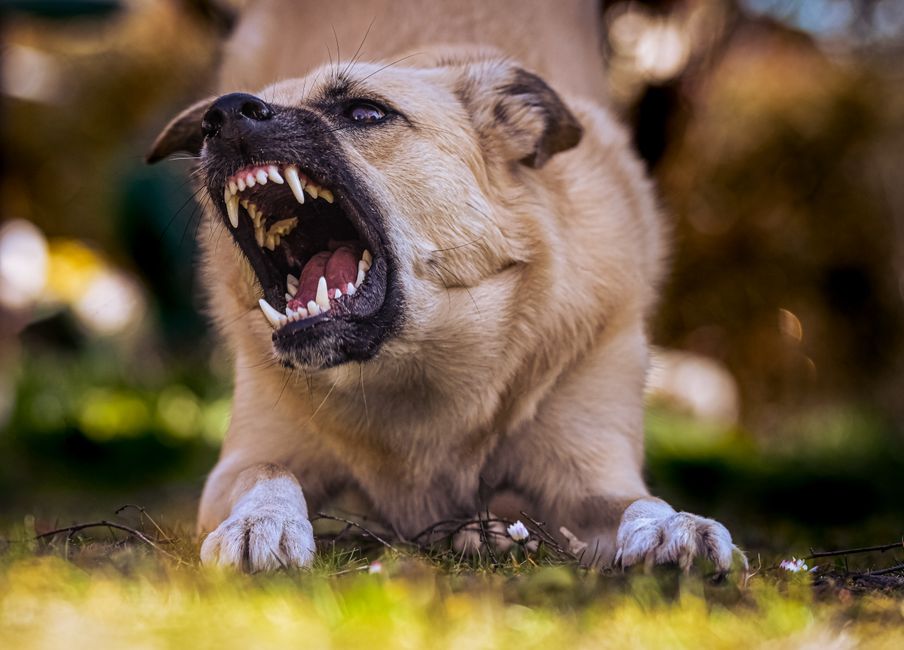
Key symptoms of stress in dogs include pacing, excessive panting, trembling, barking, or attempting to hide. You might notice your dog retreating to a quiet room, seeking constant reassurance, or even showing signs of hyperactivity and overexcitement as a response to the increased stimuli. In some cases, anxious dogs may resort to destructive behaviors such as chewing or scratching at doors and furniture.
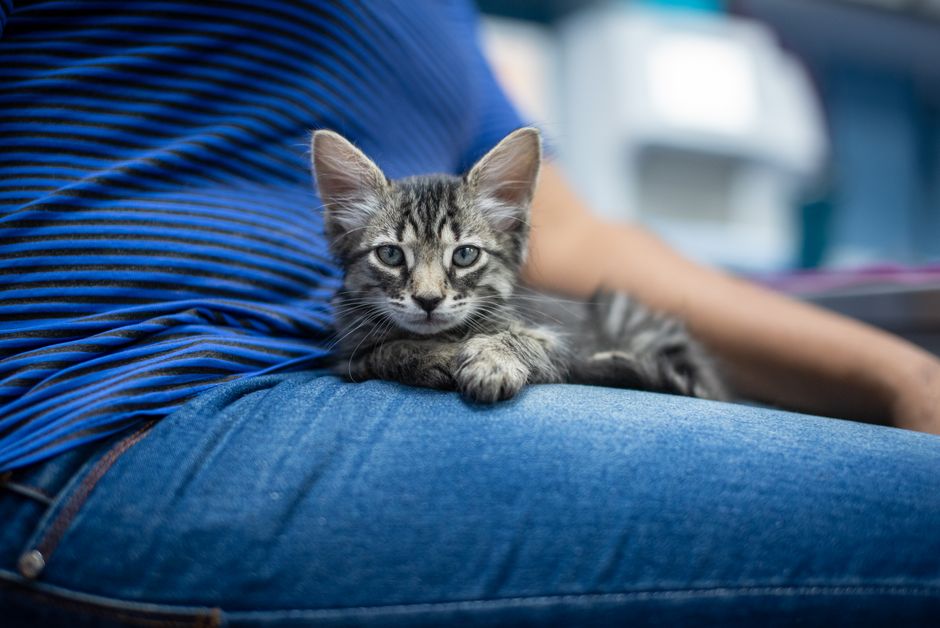
Cats, on the other hand, often cope by withdrawing. Signs to watch for are hiding under beds or furniture, a sudden decrease in interaction, inappropriate elimination outside the litter box, or excessive grooming. Some cats may vocalize more than usual, particularly if they are startled by doorbells or the sound of unfamiliar voices. Changes in appetite or sleeping patterns can also indicate that your cat is struggling to cope with the disruptions Halloween brings.
Recognizing these early signals allows you to intervene before stress escalates into more serious behavioral challenges. If you notice your pet exhibiting any of these behaviors as Halloween approaches, consider how the festivities may be influencing their emotional state.
Why Halloween Triggers Anxiety in Dogs and Cats
Halloween is a unique time of year that combines environmental, social, and sensory changes, all of which can contribute to stress in pets. Understanding these triggers can help you anticipate your pet's needs and create a plan to keep them comfortable.
Unfamiliar costumes and masks can be particularly frightening for both dogs and cats. Pets rely heavily on visual and scent cues to recognize people, so a costume that obscures a familiar face or changes a person's silhouette can be deeply unsettling. Even the family members that pets trust may suddenly seem like strangers, causing confusion and fear.
The constant ringing of doorbells, knocking, and the parade of trick-or-treaters at the front door create a barrage of noise and activity that disrupts a pet's normal routine. For dogs, the urge to protect their territory may lead to increased barking or even aggression and growling if they feel threatened. Cats, who thrive on predictability, may retreat to hidden spaces and avoid the commotion altogether.
Additionally, Halloween often brings changes in weather, such as cooler temperatures and shorter daylight hours. These seasonal shifts can influence a pet's mood and energy level, making them more susceptible to anxiety. The presence of unfamiliar decorations, flickering lights, and even the scent of new candles or pumpkins can add to the sensory overload.
For some pets, previous negative experiences—such as being startled by loud noises or encountering a costume that frightened them—can result in learned fears that resurface each year. Understanding your pet's history and specific sensitivities is crucial for tailoring support during the Halloween season.
Professional Behavioral Support: How Veterinary Behaviorists Can Help
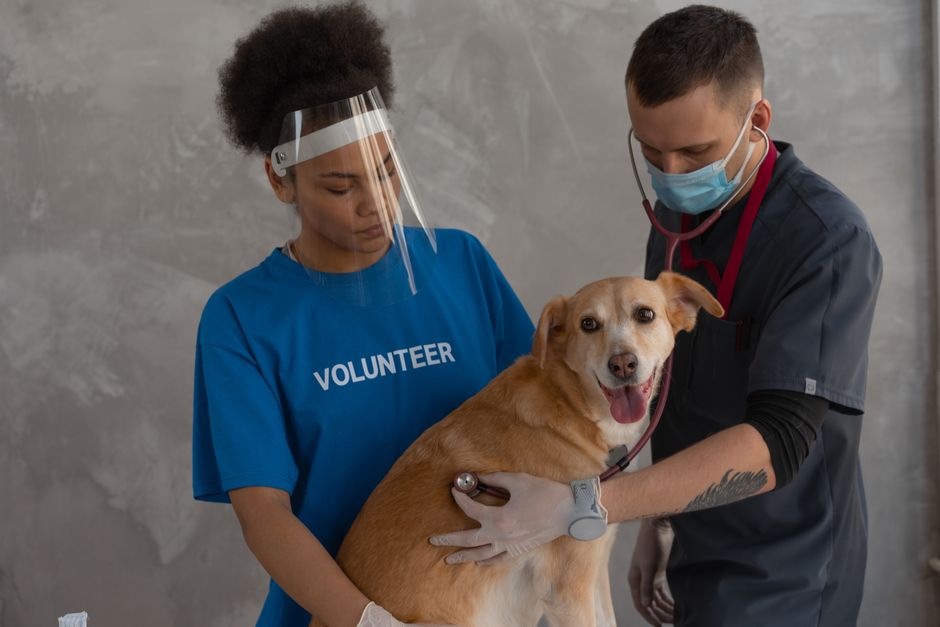
If your pet shows ongoing or severe anxiety during Halloween, consulting with a veterinary behavior specialist can make a significant difference. At Feeling Pawsitive Veterinary Behavior Solutions, our team focuses exclusively on veterinary behavioral medicine, offering comprehensive diagnosis and individualized treatment plans for dogs and cats experiencing behavioral challenges.
A professional evaluation begins with a thorough assessment of your pet's history, environment, and specific triggers. Our veterinary team will observe your pet's responses to various stimuli and may ask about previous experiences with costumes, visitors, or loud noises. This holistic approach ensures that we identify underlying medical or behavioral conditions that could be contributing to your pet's distress.
Treatment options involve creating a personalized plan that may include behavior modification techniques, management strategies to reduce exposure to stressful stimuli, and, when appropriate, medically guided options such as behavioral medications. For example, some pets benefit from gradual desensitization to doorbells or costumes using positive reinforcement, while others require environmental modifications to help them feel safe.
We collaborate closely with pet owners to develop realistic, compassionate strategies that fit your family's routine. Ongoing support is a cornerstone of our specialty practice, with regular check-ins and adjustments to the treatment plan as your pet's needs change. Our goal is not only to address Halloween-specific concerns but also to equip you with the tools to manage anxiety or fear-related behaviors year-round.
Home Strategies for a Calm and Safe Halloween
While professional support is invaluable for persistent or severe behavioral issues, there are many steps pet owners can take at home to help their dogs and cats feel secure during Halloween.
Preparing your home involves creating a quiet, comfortable space for your pet away from the front door and the main flow of trick-or-treaters. This safe haven might include your pet's favorite bed, toys, and familiar scents. Playing calming music or providing white noise can help mask the sounds of doorbells and laughter outside.
For dogs, ensuring they have had ample exercise and mental stimulation earlier in the day can reduce excess energy and promote relaxation. If your dog is particularly sensitive to visitors, consider placing a note on your door asking trick-or-treaters to skip your house, or use a sign to indicate a sleeping or anxious dog inside.
Cats benefit from vertical spaces and cozy hiding spots; make sure closets or quiet rooms are accessible. Offering food puzzles or treats can provide distraction and comfort. If your cat is prone to hiding and withdrawal, avoid forcing interaction and allow them to emerge in their own time.
Pet costumes should always be optional and chosen with your animal's comfort in mind. Signs of discomfort include pawing at the costume, freezing, or trying to escape. If your pet seems uneasy, it is best to forgo dressing them up and focus on their wellbeing.
Routine is especially important during stressful times. Try to keep feeding, playtime, and walks on their usual schedule to provide a sense of normalcy. Reward calm behavior with praise or treats, and offer gentle reassurance without reinforcing fearful responses.
When to Seek Professional Help for Halloween-Related Pet Stress
While many pets experience mild stress that can be managed at home, some may develop more serious behavioral issues that require professional intervention. It is time to seek guidance from a veterinary behaviorist if your dog or cat displays persistent anxiety, aggression, or compulsive behaviors that interfere with daily life, safety, or the bond you share.
Examples include pets who cannot settle even in a quiet room, dogs who escalate from barking to lunging or snapping at visitors, or cats who begin urinating outside the litter box or refuse to eat for extended periods. In some cases, Halloween stress can exacerbate existing fears such as storm or noise phobias, requiring a tailored approach for long-term management.
Consulting with our veterinary behavior team in Greenville ensures that any underlying medical conditions are ruled out and that your pet receives science-based, compassionate care. Our services are designed to support both pets and families, providing ongoing education and guidance through every stage of the treatment process. If you are unsure whether your pet's behavior warrants a professional evaluation, we encourage you to reach out for a consultation.
Supporting Your Pet's Behavioral Health Year-Round
Helping your pet cope with Halloween stress is just one aspect of promoting lifelong behavioral health. At Feeling Pawsitive Veterinary Behavior Solutions, we are committed to empowering pet owners with knowledge, resources, and professional support. By staying attentive to your pet's needs, creating a predictable environment, and seeking guidance when challenges arise, you can make a meaningful difference in your dog or cat's quality of life.
If you are interested in learning more about the behavioral terms and techniques discussed in this blog, our behavior glossary offers clear explanations to help you better understand your pet's experiences. For those seeking structured training or support in establishing routines, our pet training services are available to complement behavioral treatment plans.
Contact Feeling Pawsitive Veterinary Behavior Solutions for Expert Support
Halloween can be a challenging time for both pets and their families, but with the right preparation and professional guidance, you can help your dog or cat face the season with confidence. If you notice signs of anxiety, fear, or behavioral changes in your pet, do not hesitate to contact our specialized veterinary team. We are here to provide comprehensive behavioral care for pets in Greenville and the surrounding communities.
To schedule an appointment or learn more about our services, call us at (864) 991-8024 or visit 217 West Stone Avenue, Greenville, SC 29609. When searching for a behavioral vet near me, trust that our team of veterinary behavior professionals is dedicated to helping your pet feel safe and secure, during Halloween and every day of the year.
For additional guidance on specific behavioral concerns, including dog phobias and panicking or cat hiding and withdrawal, explore our resources and reach out for personalized support. Your pet's wellbeing is our top priority, and we are honored to be your partner in behavioral health.