Cat Behavior Specialists Near Me: How to Help Anxious Cats in May


Cat Behavior Specialists Near Me: How to Help Anxious Cats in May
As spring arrives in Greenville, SC, many cat owners notice subtle changes in their feline companions. Maybe your cat is hiding more, vocalizing at odd hours, or reacting strongly to visitors or noises outside the window. These behaviors can be distressing, especially when you want your cat to feel safe and happy at home. If you’re searching for “cat behavior specialists near me,” you’re likely seeking answers, reassurance, and real solutions to help your cat thrive—not just in May, but all year long. At Feeling Pawsitive Veterinary Behavior Solutions, located at 217 West Stone Avenue, Greenville, SC 29609, our team of veterinarians offers science-based, Fear-Free behavioral care tailored specifically to cats. In this post, we’ll explore why spring triggers anxiety in some cats, how to recognize the signs, and what you can do—with the support of local specialists—to help your cat enjoy a calmer, more confident season ahead.
Recognizing Anxiety in Cats: When to Seek Help from Cat Behavior Specialists Near Me
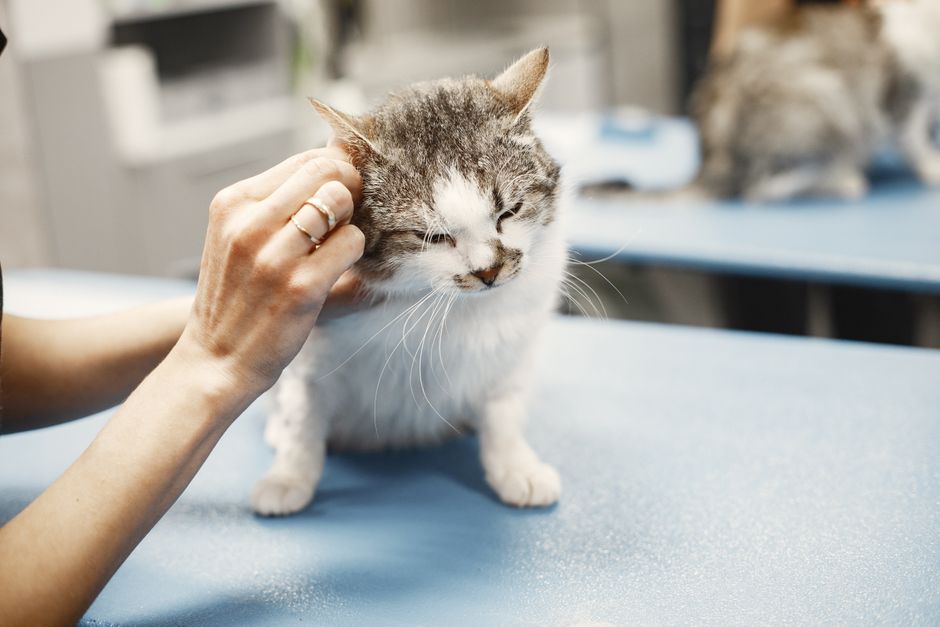
Understanding when your cat’s behavior goes beyond “quirky” and enters the realm of anxiety is the first step toward helping them feel better. Cats express anxiety in a variety of ways, and sometimes the signs can be subtle. Common symptoms include hiding for extended periods, avoiding social interaction, refusing food, or becoming overly clingy and vocal. Some cats might urinate outside the litter box, over-groom themselves to the point of hair loss, or react aggressively toward people or other animals. You might also notice changes in sleep patterns, increased startle responses, or pacing around the house.
It’s important to differentiate between an isolated reaction and a consistent pattern. For example, a single loud thunderstorm might cause a night of hiding, but if your cat is regularly retreating under the bed or showing ongoing stress, this could indicate an underlying behavioral issue. If you’re seeing these behaviors in your cat this May, it may be time to reach out to cat behavior specialists near me for a comprehensive evaluation. Early intervention can prevent these behaviors from escalating and improve your cat’s quality of life.
Why Spring Triggers Cat Anxiety: Understanding the Causes
Spring in Greenville brings longer days, open windows, and more activity both inside and outside the home. While many cats delight in watching birds or basking in sunbeams, for others, the increased stimuli can lead to heightened anxiety. Factors contributing to seasonal stress include changes in your routine, new scents and sounds from open windows, the arrival of guests or children home from school, and even the presence of outdoor cats or wildlife near your home. Some cats are particularly sensitive to these changes, especially if they already have an anxious temperament or past experiences that make them wary of novelty.
Additionally, environmental changes such as new furniture, home renovations, or moving to a new house can unsettle your cat. Seasonal allergies or health issues can sometimes masquerade as behavior problems, so it’s crucial to rule out medical causes as part of any behavioral assessment. The veterinary team at Feeling Pawsitive Veterinary Behavior Solutions recognizes that every cat is unique, and a thorough understanding of your cat’s history and environment is essential to providing effective support.
Professional Treatment Options: What to Expect from Cat Behavior Specialists
Working with a veterinary behavior specialist means your cat’s care is grounded in medical expertise and evidence-based strategies. At Feeling Pawsitive Veterinary Behavior Solutions, we start with a comprehensive evaluation—often including a detailed behavioral history, observation, and in some cases, laboratory testing to rule out underlying health conditions. You can learn more about our pet diagnostic laboratory services used in behavioral evaluations.
Treatment approaches are tailored to your cat’s specific needs. Common strategies involve environmental modifications, such as creating safe spaces or enriching your cat’s daily routine with interactive play and vertical territory. Fear-Free techniques are central to our philosophy; these methods use gentle handling and positive reinforcement to help your cat feel secure during visits and at home.
For some cats, behavioral medications may be recommended to reduce anxiety and facilitate learning new coping skills. These medications are prescribed based on your cat’s health, temperament, and the severity of symptoms, always with careful monitoring and follow-up. Our team partners closely with you to adjust the treatment plan as your cat progresses, ensuring both immediate relief and long-term improvement. Ongoing support is a key part of our service, providing guidance and encouragement as you and your cat work through each stage of recovery.
Home Strategies for Calmer Cats: What You Can Do This May
While professional help is important, there are many steps you can take at home to help your cat cope with springtime stress. Start by maintaining a predictable routine, as cats thrive on consistency. Feeding times, play sessions, and quiet time should occur at roughly the same times each day to provide a sense of security. If your cat is sensitive to outdoor noises, consider using white noise machines or closing windows during high-activity periods to minimize startling sounds.
Providing plenty of hiding spots and elevated perches allows your cat to choose their level of interaction with the household environment. Interactive toys, puzzle feeders, and gentle play can help redirect anxious energy and build confidence. If your cat is reacting to visitors or changes in the household, gradual introductions and positive reinforcement can ease their stress over time.
It’s also helpful to observe your cat’s reactions to different scenarios and keep a journal of triggers, improvements, and setbacks. This information can be invaluable to your veterinarian when designing a personalized treatment plan. For additional tips and guidance, visit the Feeling Pawsitive veterinary blog featuring articles, tips, and stories on pet behavioral health.
When to Contact a Cat Behavior Specialist: Knowing the Right Time
If your cat’s anxiety is interfering with their daily life—or your own—it’s time to seek help. Signs that professional intervention is needed include persistent hiding, loss of appetite, self-injury through over-grooming or scratching, aggressive outbursts, or elimination outside the litter box that does not resolve with basic litter box management. Cats who suddenly change their behavior or show signs of physical distress should always be evaluated by a veterinarian to rule out medical causes before addressing behavioral concerns.
The earlier you involve a cat behavior specialist, the better the chances of resolving the issue without long-term consequences. Our team of veterinarians at Feeling Pawsitive Veterinary Behavior Solutions is dedicated to helping your cat—and your family—enjoy a more harmonious home. We collaborate with your primary care veterinarian to ensure your cat receives the most comprehensive care possible.
Why Choose Feeling Pawsitive Veterinary Behavior Solutions in Greenville, SC
Choosing the right behavioral care for your cat means finding a team that combines medical expertise with compassion and an understanding of feline behavior. At Feeling Pawsitive Veterinary Behavior Solutions, our veterinarians have advanced training in clinical animal behavior, ensuring every recommendation is rooted in science and delivered with empathy. Our Fear-Free approach creates a safe, supportive environment for your cat, whether they’re visiting our clinic or receiving a treatment plan for home.
Serving Greenville and surrounding communities, we understand the local factors that contribute to feline anxiety in this region, from springtime allergies to the hustle and bustle of neighborhood life. Cat owners from nearby areas like Simpsonville, Greer, and Travelers Rest trust our team to provide the specialized care their feline companions need, close to home. Our ongoing support, personalized plans, and commitment to your cat’s well-being set us apart as the leading resource for behavioral health in the area.
Take the Next Step: Contact Cat Behavior Specialists Near Me Today
If you’re struggling to manage your cat’s anxiety or aggressive behavior this May, you’re not alone—and expert help is available right here in Greenville. At Feeling Pawsitive Veterinary Behavior Solutions, we invite you to schedule a consultation with our cat behavior specialists. We’ll work with you to uncover the roots of your cat’s anxiety, create a plan that fits your home and lifestyle, and provide the ongoing support you need to see real progress.
To learn more or to book a visit, call our veterinary professionals at (864) 991-8024 or stop by 217 West Stone Avenue, Greenville, SC 29609. You can also schedule a consultation for anxiety, fear, or aggression in pets directly through our website. When you search for a behavioral vet near me, remember that help is local, compassionate, and ready to guide you and your cat toward a happier, more peaceful life.
This blog is for informational purposes only and should not replace individualized veterinary care. If your cat’s behavior changes suddenly or you have concerns about their health, please contact a veterinarian promptly.