Cat Behavior Specialists Near Me: Help for Aggressive Cats in August

Cat Behavior Specialists Near Me: Help for Aggressive Cats in August
Aggressive behavior in cats can turn even the most loving home into a source of stress and worry, especially during the hot, humid days of August here in Greenville, SC. If you’re searching for “cat behavior specialists near me” because your cat is lashing out, biting, or acting out of character, you are not alone. At Feeling Pawsitive Veterinary Behavior Solutions, our team of veterinarians understands how challenging feline aggression can be. We provide science-based, Fear-Free behavioral care tailored for your cat’s needs, helping restore harmony in your household. In this blog, we’ll discuss how to recognize aggression in cats, why it often peaks in summer, what causes these behaviors, and how our veterinary behavior specialists in Greenville and surrounding communities can help your cat—and your family—enjoy a calmer, safer environment. We’ll also guide you on the next steps, including when it’s time to schedule a comprehensive behavior evaluation at our 217 West Stone Avenue, Greenville, SC location.
Recognizing Aggressive Behavior in Cats
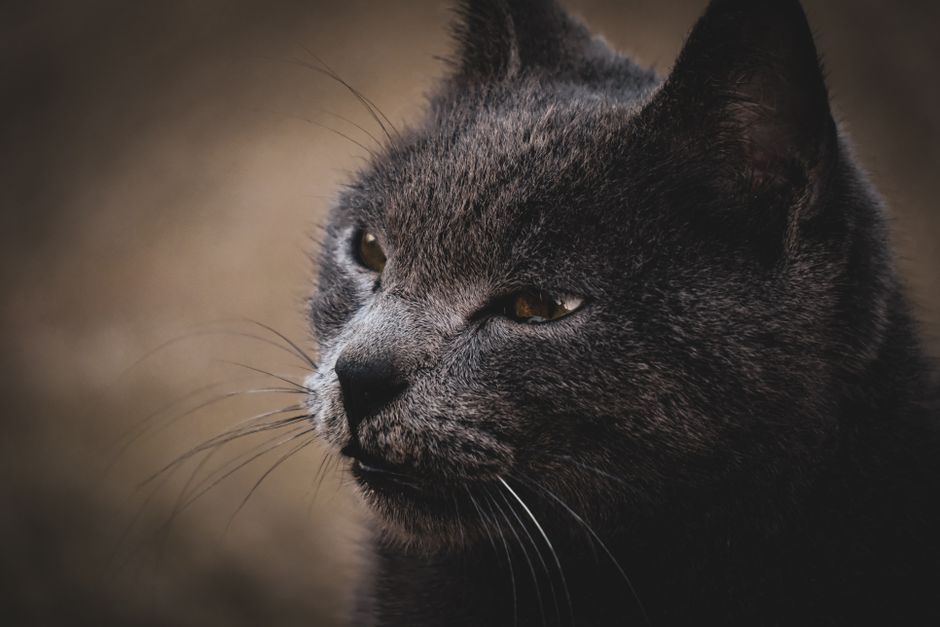
Feline aggression is often misunderstood, and many pet owners are unsure when to seek professional help. While all cats may occasionally swat or hiss, true aggression is more intense and persistent. Warning signs include sudden biting or scratching without apparent provocation, frequent hissing or growling, and aggressive posturing such as arched backs and puffed fur. Some cats may stalk other pets or people, chase or ambush family members, or launch full-blown attacks during play. Other signs of escalating aggression are blocking doorways, guarding resources like food bowls, and delivering deep bites that break the skin. Additionally, if your cat is redirecting aggression—lashing out at you or another cat after seeing something stressful outside, such as a neighborhood cat—this often signals a more complex behavioral problem.
If your cat’s aggression is escalating, persistent, or causing injury, it is important to understand this is not a normal phase; it is a medical and behavioral concern that deserves compassionate, expert attention. For a deeper dive into aggression warning signs and what they mean, our team provides more information in our expert guidance on cat aggression.
Why Does Cat Aggression Spike in August?
Many pet owners notice that their cat’s aggressive behavior seems to worsen in summer, particularly in August. Greenville’s hot, humid weather can contribute to increased restlessness, frustration, and irritability in cats. Elevated temperatures may lead to decreased activity, disrupted sleep, and changes in household routines. When windows are open or family members are spending more time outdoors, indoor cats are more likely to encounter new sights, sounds, and smells that can trigger territorial or redirected aggression.
Additionally, summer is a peak season for wildlife and neighborhood cats to be more visible outside your home, which can lead to “window wars” or redirected aggression if your indoor cat feels threatened. Changes in air conditioning or the presence of guests for summer gatherings may also disrupt a cat’s sense of security, making them more likely to react aggressively. Recognizing these seasonal factors can help you anticipate and manage your cat’s behavior before it escalates.
Common Causes of Aggressive Behavior in Cats
Cat aggression is never a simple issue; it is often the result of a complex interplay of medical, environmental, and emotional factors. Many cats act aggressively because they are frightened, anxious, or in pain. Underlying medical conditions such as dental disease, arthritis, hyperthyroidism, or even skin irritation can cause irritability and lower a cat’s tolerance for handling. Pain-related aggression is especially common in older cats or those with undiagnosed health issues.
Environmental stressors play a significant role as well. New pets, changes in the household, renovations, or even moving furniture can trigger territorial instincts. Cats are creatures of habit, and disruptions to their routine can lead to defensive or offensive aggression. Multi-cat households are particularly prone to inter-cat aggression, especially if resources like litter boxes, food bowls, or resting spaces are scarce or poorly distributed.
Behavioral history is another key factor. Cats who had limited socialization as kittens, or who experienced trauma, may be more prone to fear-based aggression. Some cats develop play aggression when rough play is encouraged or boundaries were not established early in life. Finally, frustration, boredom, or lack of stimulation can cause cats to direct pent-up energy toward people or other pets in the form of aggressive acts.
Professional Treatment and Management from Cat Behavior Specialists
When you search for “cat behavior specialists near me,” you are looking for a team with the medical expertise and behavioral insight to unravel these complex issues. At Feeling Pawsitive Veterinary Behavior Solutions, we specialize in diagnosing, treating, and managing aggression using a holistic, Fear-Free approach. Every cat receives a thorough evaluation that considers medical, behavioral, and environmental factors.
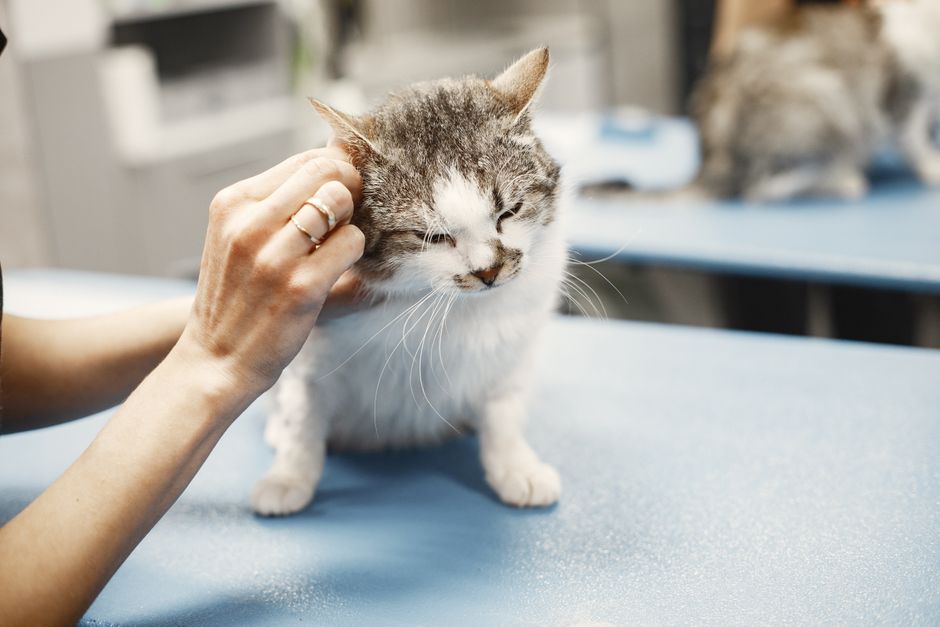
Our process begins with a comprehensive behavioral assessment. We gather a detailed history, review any prior medical records, and perform a physical exam to rule out underlying health issues. If medical causes are identified, we collaborate with your regular veterinarian to ensure these are addressed as part of the treatment plan.
For cats with aggression rooted in anxiety, fear, or environmental stress, we develop a personalized treatment plan that may include behavior modification, targeted environmental changes, and, when appropriate, veterinary-prescribed behavioral medications. Our veterinary team uses only evidence-based, humane interventions, focusing on building trust and reducing fear. We coach you on how to read your cat’s body language, intervene safely during aggressive episodes, and gradually reintroduce positive interactions.
Many cases benefit from environmental adjustments, such as adding vertical climbing spaces, enriching your cat’s daily routine, or improving litter box placement. For multi-cat households, we address resource distribution and inter-cat relationships to reduce conflict. Ongoing support is a cornerstone of our care; we work alongside you through follow-up appointments, adjustments to the treatment plan, and continued coaching until progress is achieved.
If you are interested in learning more about our approach and the services we provide, explore our overview of veterinary behavioral services.
Prevention and Home Care: Steps You Can Take
While professional help is often essential for managing feline aggression, there are practical steps you can take at home to support your cat’s wellbeing. Creating a predictable daily routine for feeding, play, and quiet time can help reduce anxiety. Providing plenty of vertical space, such as cat trees or shelves, allows your cat to observe their environment from a safe vantage point. Playtime with interactive toys—especially before mealtimes—helps channel your cat’s energy in a positive direction.
It is important to avoid physical punishment or yelling, as these responses typically escalate aggression and erode trust. Instead, use gentle redirection and positive reinforcement when your cat displays calm, appropriate behavior. For households with multiple cats, ensure each cat has separate resources, including litter boxes, food and water bowls, and resting spots. Blocking your cat’s view of outside stressors with frosted window film or rearranged furniture can help reduce territorial or redirected aggression. If your cat is hiding or withdrawing as part of their behavior change, our team offers guidance for cats experiencing chronic fear or withdrawal.
If you notice new or unusual behaviors, document what triggers episodes of aggression, how frequently they occur, and how your cat recovers afterward. This information can be invaluable during a veterinary behavior consultation.
When to Seek Veterinary Behavioral Care for Your Cat
Aggression is one of the leading causes of relinquishment or euthanasia in cats, and it is never something to ignore or “wait out.” If your cat’s behavior is causing injury to people or other pets, happening with increasing frequency, or appears to be getting worse during stressful periods such as August’s heat, it is time to seek professional help. Sudden changes in behavior, especially in older cats, always warrant a veterinary medical evaluation to rule out pain or illness.
If you have tried basic home management strategies without improvement, or if you feel concerned for your family’s safety, a veterinary behavior consultation is the next step. Our team of veterinarians at Feeling Pawsitive Veterinary Behavior Solutions has specialized training and the clinical experience to address even the most challenging cases. We work in partnership with your primary care veterinarian to ensure a seamless continuum of care.
To schedule a comprehensive evaluation and receive a personalized treatment plan for your cat, visit our consultation booking page. You can also browse our case studies to see how other families have found hope and healing through veterinary behavioral medicine.
Why Choose Feeling Pawsitive for Cat Aggression in Greenville?
When you search for “cat behavior specialists near me” in Greenville, you want a team with deep expertise, compassion, and a commitment to evidence-based care. At Feeling Pawsitive Veterinary Behavior Solutions, our veterinarians are dedicated exclusively to behavioral medicine. We combine advanced medical knowledge with Fear-Free handling, personalized plans, and ongoing support to help your cat—and your family—thrive.
Our convenient 217 West Stone Avenue, Greenville, SC location serves Greenville and surrounding communities, providing local pet owners with a trusted resource for expert behavioral care. Whether your cat’s aggression has just begun or has been a long-standing challenge, we are here to help restore safety and peace to your home.
If you are searching for a veterinary behavior specialist vet near me, let our compassionate veterinary team guide you through every step of the journey. Take the first step toward a calmer, happier household by scheduling your cat’s behavior evaluation, calling our team at (864) 991-8024, or visiting us at 217 West Stone Avenue, Greenville, SC 29609.
Remember, aggressive behavior is a medical and behavioral issue that deserves expert attention; you do not have to face it alone. Our entire team at Feeling Pawsitive is passionate about helping cats and their families live in harmony. Reach out today and let us help your cat—and your family—move forward with confidence.