Understanding Sudden Pet Aggression: Causes and Next Steps

Understanding Sudden Pet Aggression: Causes and Next Steps
If your usually gentle dog or cat has suddenly started growling, snapping, or lashing out, it can be alarming and confusing. Sudden pet aggression is a serious concern for many families in Greenville and surrounding communities, and can leave pet owners feeling anxious about their animal’s wellbeing, their family’s safety, and what steps to take next. Pet owners in nearby areas like Simpsonville, Greer, Travelers Rest, Mauldin, and Easley often face similar concerns when unexpected behavioral changes begin to affect daily life at home. At Feeling Pawsitive Veterinary Behavior Solutions, located at 217 West Stone Avenue, Greenville, SC 29609, we understand how distressing these situations can be. Our team of veterinary behavior specialists is dedicated to helping you uncover the causes of sudden aggression and guiding you toward effective, compassionate solutions using specialized behavioral training and medical expertise.
In this post, we will help you recognize the warning signs of sudden pet aggression, explore the underlying causes, and explain the advanced treatment options we offer as a behavioral veterinary specialist. You’ll also learn when it’s time to seek professional help and how our expert veterinary team can support you and your pet with proven behavioral training solutions in Greenville and the surrounding area. If you are searching for a behavioral specialist vet near me or need a trusted partner for pet aggression issues, you are in the right place. To understand more about the scope of our services for anxious, fearful, or aggressive pets, you can visit our comprehensive behavioral services page.
Recognizing Sudden Pet Aggression: Key Signs to Watch For
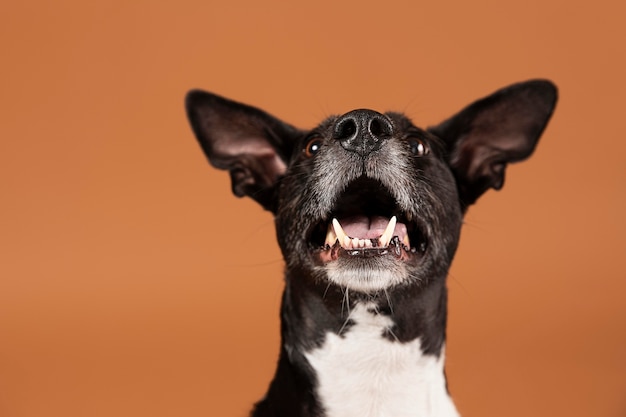
Sudden changes in your pet’s behavior may appear minor at first, but even subtle shifts can be early indicators of aggression developing. Knowing what to look for helps you respond quickly and prevents escalation. Warning signs of sudden pet aggression include your dog or cat growling, hissing, snapping, or attempting to bite with little or no warning. Other behaviors might involve a pet suddenly guarding toys, food, or even a specific person, lunging toward visitors, or displaying rigid body language such as stiff posture, raised hackles, or flattened ears. Some pets may start avoiding contact or hiding more than usual, which can signal they are feeling threatened or uncomfortable.
Owners often report that their pets “just snapped” or reacted aggressively without an obvious cause, especially if the animal had never shown these behaviors before. It is important to remember that even the friendliest pets can develop sudden aggression due to pain, illness, or emotional stress. Recognizing these signs early allows for timely intervention and can help keep everyone safe.
Cats and dogs may show aggression differently, so being attentive to changes in your individual pet’s usual demeanor is crucial. In areas like Greenville, where outdoor activities and social gatherings are common, environmental changes or increased exposure to new people and pets can also play a role in the emergence of sudden aggression.
Understanding the Causes of Sudden Pet Aggression
Sudden pet aggression is rarely random; it is often a symptom of underlying issues that require careful evaluation. At Feeling Pawsitive Veterinary Behavior Solutions, we use a comprehensive approach to identify both medical and behavioral causes.
Medical conditions are a frequent cause of sudden aggression in pets. Pain from arthritis, dental disease, or injury can make even the calmest animal react defensively when touched or approached. Neurological disorders, seizures, thyroid imbalances, and even certain infections can alter a pet’s mood or perception, leading to aggressive outbursts. Our diagnostic laboratory services in Greenville help us rule out or confirm these possibilities so treatment can target the root cause.
Behavioral factors are also significant contributors. Fear is a leading cause, especially if your pet has experienced a frightening event or has not been properly socialized. Anxiety, resource guarding, and territorial behavior can emerge suddenly in response to changes in the household, such as a new pet, baby, or visitor. Additionally, pets that have experienced trauma in the past may react aggressively when reminded of those stressful experiences.
In some cases, a combination of medical and behavioral triggers is at play. For example, a dog with chronic pain may become more irritable and less tolerant of loud noises or busy environments, while a cat recovering from illness might lash out due to feeling vulnerable.
Understanding the root causes of sudden pet aggression requires a specialized veterinary assessment. That’s why our team of veterinary behaviorists in Greenville focuses on both physical health and emotional wellbeing as part of our evaluation process. For more information about how we diagnose and assess these issues, visit our pet diagnostic laboratory services page.
Professional Treatment Options and Our Approach
When it comes to managing sudden pet aggression, there is no one-size-fits-all solution. At Feeling Pawsitive Veterinary Behavior Solutions, we specialize in evidence-based, compassionate care that respects the unique needs of every pet and family. Our process begins with a thorough veterinary behavioral consultation, including a medical evaluation to identify any underlying health issues that may be contributing to aggressive behavior. We often collaborate with your primary care veterinarian to ensure your pet receives comprehensive support.
Once we have identified the contributing factors, our team creates a personalized treatment plan. Behavioral training solutions in Greenville form the foundation of most treatment programs. These may involve desensitization and counter-conditioning exercises, which help your pet build positive associations with previously stressful triggers. We use Fear-Free techniques throughout every step, so pets feel safe and supported.
Medical intervention is sometimes necessary, especially if pain or a medical condition is involved. In these cases, our veterinarians may recommend targeted pain management or behavioral medications, always with careful monitoring and clear guidance for pet owners. Ongoing support is central to successful outcomes, so we provide regular follow-ups and adjustments to the treatment plan as your pet’s needs evolve.
We also offer educational resources and coaching to help your family implement recommended changes at home. This might include modifying routines, managing your pet’s environment, and learning how to respond calmly and safely to aggressive incidents. With our team by your side, you will never have to navigate sudden pet aggression alone. You can learn more about our approach and meet our veterinary behavior specialists who are dedicated to your pet’s behavioral health.
Practical Steps for Prevention and Support at Home
While professional intervention is often needed for sudden pet aggression, there are important steps you can take at home to support your pet’s progress and promote a safer environment. The first priority is to ensure everyone’s safety. This means supervising interactions, preventing situations that trigger aggression, and never punishing your pet for aggressive behavior, as this can increase fear and anxiety.
Providing a calm, predictable routine helps reduce stress in pets. If you notice your dog or cat becoming agitated or tense, gently remove them from the situation and offer them a quiet space to decompress. Using positive reinforcement, such as treats or praise for calm behavior, encourages your pet to make better choices. Consistency is key; all family members should use the same cues and management strategies.
Pay attention to your pet’s body language and avoid pushing them into situations where they are uncomfortable. If your pet is recovering from an illness or injury, give them extra time and space to heal, as pain can make them more reactive. In the Greenville area, where weather and seasonal changes can sometimes affect routine activities, consider how disruptions in daily life may impact your pet’s stress levels.
Remember, sudden aggression is rarely a training issue alone. It is essential to involve a behavioral specialist vet near me who can provide expert guidance tailored to your pet’s individual needs.
When to Seek Veterinary Behavioral Care
Sudden pet aggression should always be taken seriously. Immediate professional assessment is necessary if your pet’s aggressive behavior is severe, unpredictable, or results in injury to people or other animals. Other red flags include aggression that starts after a medical procedure, illness, or injury, as this could indicate pain or a neurological problem. If you have already tried management or training techniques with little improvement, or if the aggression is escalating, specialized veterinary intervention is crucial.
At Feeling Pawsitive Veterinary Behavior Solutions, we are a referral destination for pet owners and general practice veterinarians throughout Greenville and surrounding communities who need expert support for challenging behavioral cases. Our veterinary team is equipped to provide advanced diagnostic testing, develop individualized behavioral training solutions in Greenville, and offer ongoing coaching for families.
If you are searching for a behavioral specialist veterinarian near me and need help determining if your pet’s aggression is a medical emergency or a behavioral crisis, do not wait to reach out. Book a consultation with us for a comprehensive evaluation and a clear path forward. You can schedule a consultation easily through our online booking system.
Take the Next Step Toward a Happier, Safer Home
Sudden pet aggression is a distressing and complex challenge, but you do not have to face it alone. By recognizing the warning signs early, understanding the underlying causes, and partnering with a behavioral specialist vet near me, you give your pet the best chance for recovery and improved quality of life. At Feeling Pawsitive Veterinary Behavior Solutions, our veterinary professionals are committed to supporting you with empathy, expertise, and proven behavioral training solutions in Greenville.
If you are concerned about your pet’s behavior or have questions about aggression, we encourage you to contact our team today. We are here to help you restore harmony in your household and help your pet thrive. To learn more about our services or to set up a consultation, call (864) 365-6386 or visit our veterinary behavioral services page for detailed information.
For more insights and tips on pet behavioral health, explore our blog for pet owners. Your pet’s wellbeing matters deeply to us, and we are proud to be the trusted behavioral specialist veterinarian near me for families in Greenville and beyond.
If your pet’s aggressive behavior involves immediate threats to safety or severe injury, please seek emergency veterinary assistance right away. Always consult with a veterinary professional before making changes to your pet’s treatment or management plan.