Cat Behavior Specialists Near Me: Fall Stress Solutions in Greenville

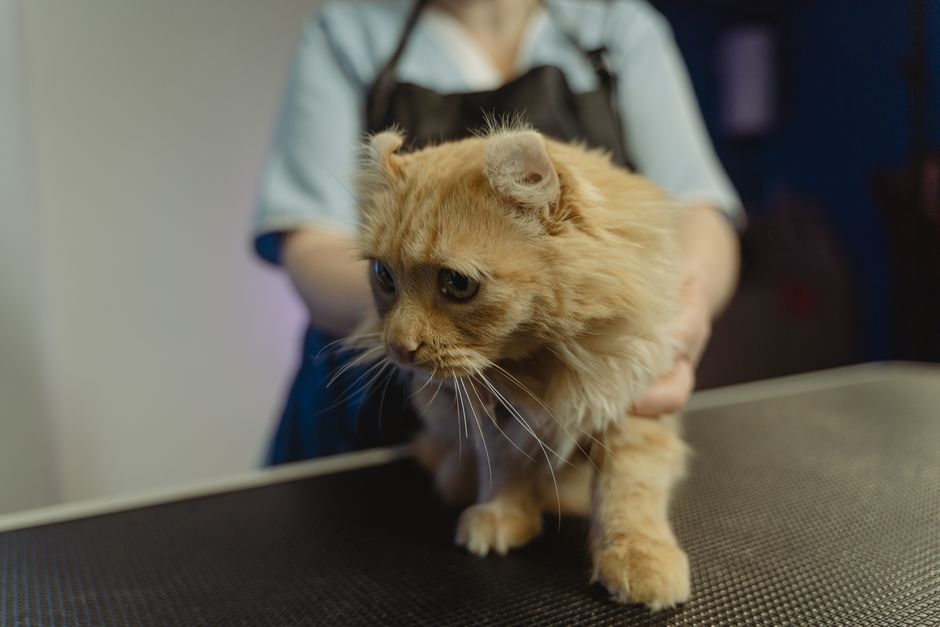
Cat Behavior Specialists Near Me: Fall Stress Solutions in Greenville
As autumn settles into Greenville and the temperatures start to drop, many cat owners notice subtle—or sometimes dramatic—changes in their feline companions’ behavior. Whether your cat is suddenly hiding more, vocalizing at odd hours, or displaying signs of anxiety, you’re not alone in seeking answers. At Feeling Pawsitive Veterinary Behavior Solutions, our dedicated veterinary behavior team specializes in helping cats and their families navigate behavioral challenges unique to the changing seasons. If you are searching for cat behavior specialists near me, our practice in 217 West Stone Avenue, Greenville, SC 29609 is here to provide expert guidance, thorough evaluation, and science-based solutions tailored to your cat and your household. In this blog, we’ll explore the signs of fall-related stress in cats, why these changes happen, how our veterinary behaviorists approach treatment, and what you can do at home to help your cat feel safe and secure as the seasons shift.
How to Recognize Fall Stress in Cats
Autumn brings new sights, sounds, and routines, and cats—sensitive creatures that they are—can react in surprising ways. Owners often notice that their cats become more withdrawn, start hiding under furniture, or seem easily startled by everyday noises as the leaves begin to fall. Other cats may develop new habits such as excessive grooming, increased vocalization, or even inappropriate elimination outside the litter box. Key symptoms of seasonal stress include hiding for extended periods, changes in appetite, restless behavior at night, and sudden aggression toward other pets or family members. Some cats may overgroom, leading to thinning fur or bald patches, while others vocalize persistently or wake the household in the early morning hours. If your cat is showing any of these changes, especially as the weather cools, it may be a sign that they are struggling to adapt to autumn’s unique challenges.
For more insight into specific behaviors like cat hiding and withdrawal, excessive grooming, or vocalizing and night waking, we offer detailed guides to help you observe and describe your cat’s behavior more accurately.
Why Does Fall Trigger Behavioral Changes in Cats?
Understanding the root causes of fall stress is key to supporting your cat’s wellbeing. Cats are creatures of routine, and changes in household schedules, diminished daylight, and the onset of cooler temperatures can disrupt their sense of security. Shorter days often mean less natural light, which can affect your cat’s internal clock and trigger restless nighttime behavior or changes in sleep patterns. The start of the school year or return to busier family routines can also lead to increased alone time for your cat, which may prompt anxiety or attention-seeking behaviors.
Additionally, fall introduces new sounds and sensations—crunching leaves, unfamiliar wildlife, drafty windows, and heaters kicking on—that can startle or unsettle sensitive cats. For multi-cat households, the stress of environmental changes can escalate existing tensions, sometimes resulting in aggression or resource-guarding between cats. Even subtle shifts, such as rearranged furniture to accommodate holiday decorations or closing windows that were previously open all summer, can disrupt your cat’s sense of territory.
Cats with underlying medical issues, senior cats, or those with a history of anxiety may be especially prone to behavioral changes in the fall. It’s important to recognize that what may seem like “acting out” is often your cat’s way of adapting to stressors that are invisible to the human eye.
How Cat Behavior Specialists Evaluate and Treat Fall Stress
When you reach out to Feeling Pawsitive Veterinary Behavior Solutions for help with a stressed or anxious cat, you gain access to a team of veterinarians with advanced training in feline behavioral medicine. Unlike traditional trainers, our behavior specialists are uniquely qualified to diagnose the medical and psychological factors influencing your cat’s actions.
What to Expect at a Cat Behavior Evaluation
The process begins with a comprehensive evaluation of your cat’s medical history, environmental factors, and behavior patterns. We will ask about recent changes in your household, your cat’s daily routine, and any triggers that seem to precede unwanted behaviors. Our veterinary team may also assess for underlying medical conditions that can mimic or worsen behavioral concerns, such as arthritis or hyperthyroidism.
We tailor our approach to each cat, using proven behavioral science to identify the root causes of stress and anxiety. Diagnostic steps can include reviewing video footage of concerning behaviors, analyzing your cat’s living environment, and discussing your goals for your cat’s wellbeing.
Treatment Options: Science-Based and Compassionate
Treatment plans are highly individualized, combining behavioral modification strategies with supportive care and, when appropriate, medical therapy. For cats experiencing fall stress, treatment approaches often involve environmental enrichment, gradual introduction of new routines, and targeted training techniques to reduce anxiety. Calming pheromone diffusers, interactive toys, and safe hiding spots can help your cat feel more secure. In some cases, behavioral medications may be recommended, especially when anxiety is severe or has not improved with environmental changes alone.
Our veterinary behavior specialists will continue to support you with regular check-ins, treatment updates, and hands-on guidance. We aim to empower you to create a peaceful home environment where your cat can thrive, no matter what the season brings. To learn more about our treatment approach, visit our science-based veterinary behavioral services page.
If you are noticing specific concerns like cat aggression or litter box issues, our resource pages provide expert insight tailored to these common fall stress behaviors.
Home Strategies to Support Your Cat During Autumn
While every cat is unique, there are practical steps you can take at home to help ease your cat’s adjustment to autumn. Providing consistent routines—such as regular feeding times and play sessions—helps anchor your cat’s day and reduce anxiety. Ensuring your cat has access to cozy, elevated resting spots and safe hiding places can offer comfort when household activity increases or new noises emerge.
Engage your cat in interactive play to help reduce stress and burn off nervous energy, especially in the evening when many cats become restless. Consider setting up sunny spots near windows to compensate for shorter daylight hours, and keep familiar objects, like favorite beds or scratching posts, in predictable locations. For multi-cat households, offer multiple resources such as litter boxes, food bowls, and resting areas to minimize competition and tension.
If your cat is showing signs of withdrawal, excessive grooming, or aggression, monitor their behavior closely and document any patterns. This information can be invaluable for your veterinary behaviorist when developing a personalized treatment plan. For more detailed strategies on supporting cats with specific stress behaviors, our resource pages on cat hiding and withdrawal and cat excessive grooming offer practical, science-backed guidance.
When to Seek Help from Cat Behavior Specialists
Sometimes, even the most attentive cat owners need extra support. If your cat’s stress-related behaviors are increasing in frequency or intensity, persist for more than a few days, or are impacting their quality of life or your household’s peace, it’s time to consult a veterinary behaviorist. Warning signs that warrant professional evaluation include sudden aggression toward people or other pets, persistent vocalizing or night waking, compulsive grooming resulting in hair loss, and repeated litter box accidents despite rule-outs for medical causes.
Seeking help early can prevent minor issues from becoming ingrained habits and can restore harmony to your home more quickly. Veterinary behavior specialists use a compassionate, evidence-based approach that addresses both the medical and emotional needs of your cat. By working together, we can help your cat feel safe, confident, and content—through the fall season and beyond.
If you are wondering how to find the right cat behavior specialists near me, look for veterinary professionals with advanced training in behavioral medicine who offer comprehensive, individualized care. Our team at Feeling Pawsitive Veterinary Behavior Solutions is proud to serve Greenville and surrounding communities with expertise and empathy.
Your Partner for Feline Behavioral Health in Greenville
Fall can be a time of transition and stress for cats, but with the right support and a knowledgeable veterinary behavior team on your side, your cat can enjoy the season with greater comfort and confidence. From recognizing the early signs of stress to understanding the underlying causes and implementing effective solutions, every step you take can make a difference in your cat’s wellbeing.
If you are searching for cat behavior specialists near me or need a feline behavioral vet near me, Feeling Pawsitive Veterinary Behavior Solutions is here to help. Reach out to our dedicated veterinary behavior team at (864) 991-8024 or visit us at 217 West Stone Avenue, Greenville, SC 29609 to schedule a comprehensive behavior evaluation for your cat. You can also schedule a consultation with our veterinary behavior specialists online at your convenience.
Remember, you do not have to navigate fall behavioral changes alone. Our team is committed to providing compassionate, science-based care for cats and their families across Greenville and surrounding communities. No matter the season, we are your trusted resource for expert feline behavioral health and peace of mind at home.
Disclaimer: This blog is for informational purposes only and does not replace individualized veterinary advice. If your cat is exhibiting sudden, severe, or dangerous behaviors, contact your veterinarian or a veterinary behaviorist promptly.