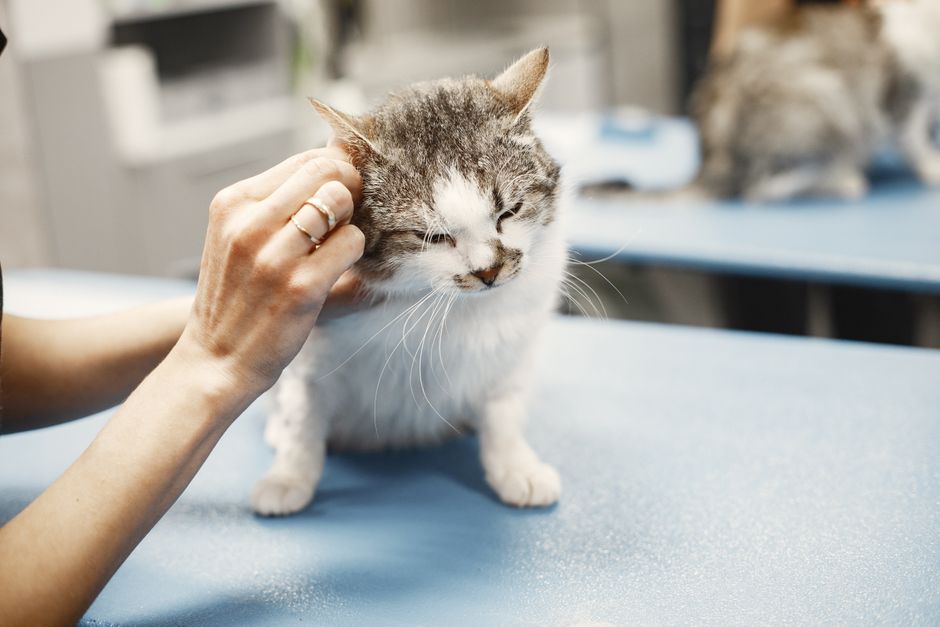
Cat Behavior Specialists Near Me: Calmer Cats This Spring


Cat Behavior Specialists Near Me: Calmer Cats This Spring
Springtime in Greenville, SC often brings a renewed sense of energy, longer days, and—for many cats—a noticeable shift in behavior. If you are noticing that your cat seems more anxious, withdrawn, or even aggressive as the seasons change, you are not alone. Many pet owners search for “cat behavior specialists near me” when their feline companions develop new or worsening behavior issues. At Feeling Pawsitive Veterinary Behavior Solutions, located at 217 West Stone Avenue, Greenville, SC 29609, we understand how stressful it can be when your once-calm companion begins to act out. Our team of veterinarians specializes in addressing feline anxiety, fear, and aggression with a unique blend of Fear-Free techniques, medical expertise, and compassionate support. Cat owners from nearby areas like Simpsonville, Greer, and Travelers Rest also turn to our team when springtime brings new or worsening behavior challenges in their feline companions. In this blog, we will guide you through the most common springtime cat behavior issues, how to recognize them, and how our dedicated behavioral care can help your cat—and your home—feel more peaceful.
Whether your cat is hiding more than usual, showing signs of stress around guests, or reacting aggressively to other pets, seeking the help of veterinary behavior specialists can make a world of difference. We will cover how to identify problematic behaviors, what may be causing them, effective treatment options available at Feeling Pawsitive Veterinary Behavior Solutions, and simple steps you can take at home. If you are ready to support your cat’s emotional health this spring, read on to learn how “cat behavior specialists near me” can become your most valuable resource.
Recognizing Springtime Cat Behavior Problems
Many pet owners find it challenging to distinguish between normal feline quirks and behaviors that signal deeper emotional distress. Spring brings environmental changes that can disrupt your cat’s routine, including increased outdoor activity, open windows, and more visitors in the home. These shifts may trigger anxiety or aggression in sensitive cats.
Signs that your cat may benefit from seeing cat behavior specialists near me include persistent hiding, sudden aggression toward other pets or people, excessive vocalization, inappropriate urination or defecation, destructive scratching, and changes in appetite or grooming habits. Additional warning signs are increased startle responses, restlessness, and avoidance of social interaction. While some cats adapt quickly to seasonal changes, others may struggle to cope, especially if they have a history of anxiety or fearful tendencies.
It is important to remember that behaviors such as biting, scratching, or soiling outside the litter box are not simply “bad habits.” These actions often reflect underlying emotional distress or medical issues that require professional assessment. If your cat’s behavior seems out of character or is causing disruption in your home, it is time to consider reaching out for specialized help.
Why Do Cats Develop Anxiety or Aggression in Spring?
Understanding the root causes of feline behavioral changes is key to effective management. Springtime can be a particularly challenging period for cats due to several factors. Longer daylight hours may influence your cat’s internal clock, leading to increased activity or restlessness. The presence of other animals—both indoors and outdoors—can also trigger stress or territorial behavior, especially if your cat sees unfamiliar cats through windows or hears more neighborhood activity.
Changes in household routines, such as more frequent guests or spring cleaning, can disrupt your cat’s sense of security. Additionally, open windows or new scents entering the home may overstimulate sensitive cats. For some felines, underlying medical conditions—including pain, hyperthyroidism, or cognitive changes—may contribute to sudden shifts in behavior during this season.
Cats are creatures of habit, and even subtle changes in their environment can lead to increased vigilance or anxiety. When left unaddressed, these stressors may escalate to behavioral problems including aggression, inappropriate elimination, or destructive actions. Our team of veterinary behavior specialists performs comprehensive assessments to differentiate between medical and behavioral causes, ensuring your cat receives the most effective and compassionate care.
How Cat Behavior Specialists Near Me Can Help
When you search for cat behavior specialists near me, you are looking for more than just a trainer—you are seeking veterinary professionals who understand the complex interplay between feline medical health and behavior. At Feeling Pawsitive Veterinary Behavior Solutions, our approach begins with a thorough evaluation of your cat’s medical history, environment, and daily routines. By combining veterinary diagnostics with behavioral expertise, we create personalized treatment plans tailored to your cat’s unique needs.
Our treatment options involve Fear-Free handling strategies to reduce your cat’s anxiety during visits, along with ongoing support for you as a pet owner. We may recommend a combination of behavior modification techniques, environmental adjustments, and, when appropriate, behavioral medications to help your cat feel calmer and more secure. For cats with suspected underlying health issues, we offer advanced pet diagnostic laboratory services to rule out or address medical contributors to behavioral change.
Behavior modification plans often include gradual desensitization to triggers, positive reinforcement for calm behaviors, and practical advice on managing household stressors. Our veterinarians work closely with you to ensure that recommendations are realistic, achievable, and based on the latest scientific evidence. We understand that every household is unique, so our ongoing support is designed to adapt as your cat progresses.
If you are interested in learning more about the specific behavioral services we offer, you can explore our overview of veterinary behavioral services, which outlines how we approach common feline challenges with empathy and expertise.
Supporting Your Cat at Home: Tips for Springtime Calm
While professional support from a cat behavior specialist is often essential for moderate to severe cases, there are steps you can take at home to help your cat feel more secure as spring unfolds. Maintaining a consistent daily routine is one of the most effective ways to reduce feline anxiety. Predictable feeding times, regular play sessions, and minimizing sudden changes in the environment can go a long way toward promoting calm.
Consider creating safe spaces where your cat can retreat when feeling overwhelmed. This may involve setting up cozy hiding spots, using pheromone diffusers, or providing vertical territory like cat trees and shelves. Engaging your cat in interactive play helps channel excess energy and reduces stress. If you know your cat is sensitive to visitors or loud noises, try to anticipate stressful events and offer comfort before, during, and after these situations.
Environmental enrichment, such as puzzle feeders and window perches, provides mental stimulation and helps prevent boredom—a common trigger for destructive behavior. Remember, any changes to your home environment should be introduced gradually and with your cat’s preferences in mind.
If you are uncertain about the best ways to support your cat’s behavioral health, our veterinary blog features helpful tips and educational articles designed to empower pet owners throughout Greenville and the surrounding areas.
When to Seek Professional Veterinary Behavioral Care
Some behavior changes can be managed with home strategies, but certain warning signs indicate the need for immediate professional evaluation. If your cat’s aggression becomes severe or unpredictable, if there is risk of injury to people or other pets, or if your cat is persistently eliminating outside the litter box despite a clean bill of health, it is important to consult with a veterinary behavior specialist.
Other red flags include sudden changes in demeanor, dramatic weight loss or gain, excessive self-grooming to the point of causing sores, or behaviors that disrupt your cat’s ability to eat, sleep, or interact comfortably. Chronic anxiety or fearfulness that does not improve with home interventions also warrants expert assessment.
At Feeling Pawsitive Veterinary Behavior Solutions, our veterinary professionals work closely with pet owners and referring veterinarians to ensure every cat receives the highest quality of behavioral care. We are experienced in collaborating with general practitioners, trainers, and other specialists to develop comprehensive solutions for even the most complex cases. If you are searching for a “cat behavior specialist vet near me,” rest assured that our team is here to support both you and your feline companion every step of the way. For severe or escalating symptoms, do not delay seeking help; early intervention leads to better outcomes for both your cat and your family.
Restoring Peace: Take the Next Step with Feeling Pawsitive Veterinary Behavior Solutions
Navigating springtime behavior challenges can feel overwhelming, but you do not have to face them alone. With the support of dedicated cat behavior specialists near me, you and your cat can enjoy a calmer, happier season together. At Feeling Pawsitive Veterinary Behavior Solutions, we are committed to providing compassionate, evidence-based behavioral care for cats throughout Greenville and the surrounding communities.
If you recognize signs of anxiety, aggression, or emotional distress in your cat, our team of veterinarians is ready to help. We encourage you to schedule a consultation so we can develop a personalized plan tailored to your cat’s needs and your household’s unique dynamics. Learn more about our approach or schedule a consultation with our behavior specialists today.
For further questions or to speak directly with our veterinary professionals, please call (864) 991-8024. You can also visit us at 217 West Stone Avenue, Greenville, SC 29609. When you need a cat behavior specialist vet near me, choose Feeling Pawsitive Veterinary Behavior Solutions as your partner in restoring peace and wellbeing to your home. Let us help your cat—and your whole family—thrive this spring and beyond.
Disclaimer: The information provided in this blog is for educational purposes only and should not be used as a substitute for professional veterinary advice. If you are concerned about your pet’s health or behavior, please consult a qualified veterinary behavior specialist.