Why Is My Dog Suddenly Aggressive? Veterinary Behavior Solutions

Why Is My Dog Suddenly Aggressive? Veterinary Behavior Solutions
If your once-friendly dog has begun showing signs of aggression, it can be both frightening and confusing. Many pet owners in Greenville and surrounding communities face this sudden shift in their dog’s behavior and wonder what went wrong. At Feeling Pawsitive Veterinary Behavior Solutions, located at 217 West Stone Avenue, Greenville, SC 29609, our team of veterinary behavior specialists understands how distressing this experience can be. Our practice focuses exclusively on medically guided solutions for pets with anxiety, fear-based challenges, and aggression. In this post, we will help you understand what might cause a dog to suddenly become aggressive, outline what warning signs to look for, explain how professional veterinary behavioral care can make a difference, and share steps you can take at home to help your dog begin their journey toward lasting improvement. If you are struggling with sudden behavioral changes in your pet, know that you are not alone; compassionate, expert help is available.
Recognizing Sudden Aggression in Dogs
When a dog’s behavior changes abruptly, it often takes pet owners by surprise. Dogs that have always been gentle may start growling, snapping, or even biting with little warning. Key signs of sudden aggression include growling during handling, barking defensively when approached, showing teeth, lunging at people or other animals, guarding food or toys more intensely, and general irritability or restlessness. Some dogs may hide, avoid eye contact, or become hypervigilant, while others escalate quickly to aggressive outbursts seemingly without cause.
It is important to remember that aggression can manifest in many forms. For example, a dog who previously tolerated children may suddenly snap if a child approaches. Another dog may start guarding their favorite spot on the couch or become protective of their food dish. These changes should never be dismissed as “just having a bad day.” When aggression appears suddenly, it is often a signal that your dog is experiencing distress, discomfort, or fear that requires careful attention.
If any of these signs are familiar, or if your dog’s behavior feels unpredictable, seeking a comprehensive evaluation by veterinary behavior professionals is recommended. These experts can help determine the root cause and guide you toward safe, effective solutions tailored to your unique situation.
Why Does Sudden Aggression Happen in Dogs?
Sudden aggression in dogs rarely occurs without an underlying reason. Understanding the possible causes can help you approach the situation with empathy and take the most appropriate steps for your pet’s wellbeing.
Medical Causes
Physical discomfort is one of the most common triggers for sudden behavioral changes. Pain from arthritis, dental disease, ear infections, or other hidden health issues can make even the friendliest dog react defensively. Neurological problems, vision or hearing loss, and metabolic imbalances may also contribute to behavioral shifts. In some cases, older dogs can develop cognitive dysfunction, similar to dementia in people, which may result in increased irritability or aggression.
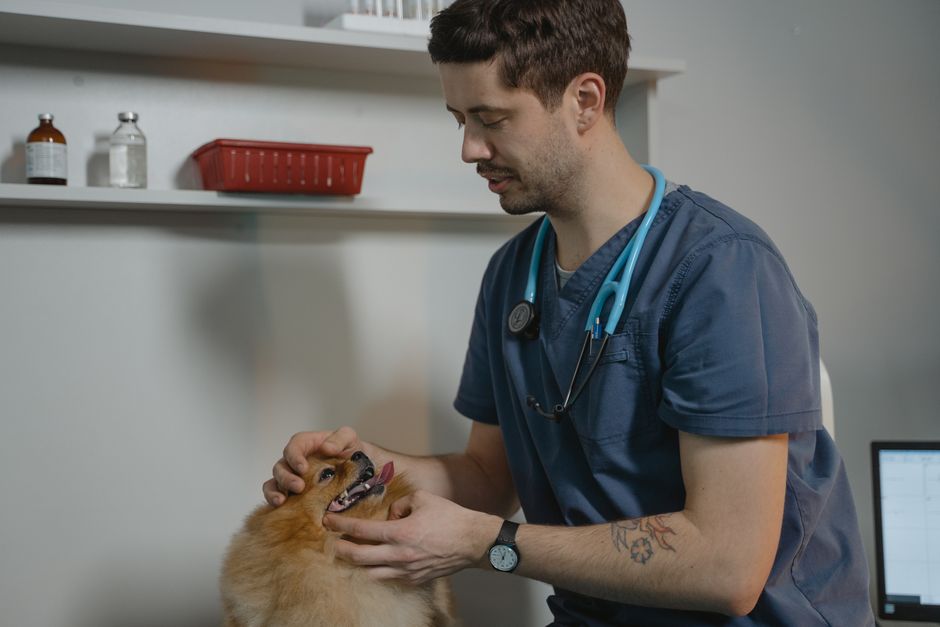
This is why a complete medical evaluation is a crucial first step. Your primary care veterinarian will rule out or treat any underlying health concerns that could be causing pain or discomfort. At Feeling Pawsitive, we often collaborate with referring veterinarians to ensure that every pet has received a recent physical exam and necessary diagnostic testing before addressing behavior directly. If you need specialized diagnostic support, our Diagnostic Laboratory can provide thorough in-house evaluations for complex cases.
Fear and Anxiety
Fear-based aggression is another leading cause of sudden changes in behavior. Dogs may become aggressive when they feel threatened, cornered, or overwhelmed. This could be due to a recent frightening event, new people or animals in the home, or even changes in the environment such as loud noises or construction nearby. Dogs who experience chronic anxiety may reach a tipping point where their ability to cope breaks down, leading to reactive or aggressive responses.
For example, a dog who has always been wary of thunderstorms might, after a particularly intense storm, start reacting aggressively to any loud noise or sudden movement. Another common scenario is a dog who becomes protective or possessive after a stressful move, new family member, or the loss of a companion.
Resource Guarding and Territorial Behavior
Some dogs develop aggressive behaviors related to guarding food, toys, beds, or even certain people. This is called resource guarding. It often emerges suddenly if a dog feels their valued resource is threatened or if routines have changed. Territorial aggression may also appear if your dog perceives a need to defend their home or yard against perceived intruders, including other pets or guests.
Redirected Aggression
Occasionally, a dog will become aggressive toward a person or animal simply because they are unable to act on their initial target. For instance, a dog who is frustrated by a squirrel outside the window may suddenly snap at a nearby family member. This redirected aggression can appear sudden and confusing if you do not witness the initial trigger.
Other Triggers
Major life changes such as a new baby, moving homes, or the addition of a new pet may upset your dog’s sense of security and routine. Hormonal changes, especially in intact males and females, can also contribute to changes in mood and tolerance.
It is important to recognize that aggression is not a personality flaw; it is a symptom of an underlying issue that your dog cannot communicate in any other way. By understanding the “why,” you are already taking the first step toward helping your pet feel safe and supported.
How Veterinary Behavior Specialists Can Help
When sudden aggression arises, it is normal to feel anxious or even guilty, but you do not need to navigate this challenge alone. Veterinary behavior specialists offer evidence-based solutions that go far beyond basic obedience training. At Feeling Pawsitive Veterinary Behavior Solutions, our veterinarians are uniquely qualified to diagnose and manage behavioral disorders rooted in fear, anxiety, and aggression.
Comprehensive Behavioral Assessment
Every case starts with a thorough behavioral evaluation. Our veterinary team will review your dog’s medical history, observe their behavior, and ask detailed questions about recent changes in your home or routines. This in-depth assessment helps us identify triggers, underlying emotional states, and any medical factors that may be contributing to your dog’s behavior.
Medically Guided Treatment Plans
Treatment options for aggression in dogs are highly individualized. Approaches may include targeted behavior modification, environmental management, and, when appropriate, the use of safe, effective medications to reduce anxiety or impulsivity. Our veterinarians use Fear-Free techniques to ensure that all interactions with your dog are as stress-free as possible. We work closely with pet owners to create a plan that fits your household, lifestyle, and your dog’s unique needs.
Some dogs with severe anxiety or aggression benefit from prescription medications, which can be managed through our online pharmacy. Others may require short-term environmental changes, gradual desensitization to triggers, or the support of additional trainers who understand the complexities of behavioral medicine.
Ongoing Support and Progress Tracking
Changing behavior takes time, patience, and ongoing support. Our veterinary professionals offer regular follow-ups, progress evaluations, and adjustments to your dog’s treatment plan as needed. We believe in empowering pet owners with education and compassion, so you always feel supported during your dog’s healing process. For more information about our services and how we can help, visit our page on veterinary behavioral medicine and treatment options.
What You Can Do at Home to Support Your Dog
While professional guidance is essential for managing sudden aggression, there are steps you can take at home to help your dog feel safer and more secure as you begin the treatment process.
First, prioritize safety for everyone in your household, including other pets. Manage situations that seem to trigger aggressive behavior by using baby gates, crates, or separate rooms to prevent unwanted interactions. Avoid any punishment or harsh corrections, as these can increase fear and worsen aggression.
Give your dog plenty of opportunities for quiet time and predictability. Reinforce calm behavior with gentle praise or treats, and avoid situations that you know are likely to set off your dog’s anxiety. If your dog reacts to specific people, objects, or activities, try to limit their exposure to these triggers until you have a professional plan in place.
Keep a journal of your dog’s behavior, noting the context, time, and your dog’s responses. This information will be invaluable when you meet with veterinary behavior specialists, as it can help identify patterns and underlying causes.
Remember, sudden aggression is rarely a training problem alone; it almost always reflects an unmet need, underlying stress, or medical issue. Your role is to keep your dog and family safe while seeking expert support for a lasting solution.
When to Seek Help from a Veterinary Behavior Specialist
If your dog has shown any sudden signs of aggression, it is important to act promptly. Situations that require immediate professional attention include bites to people or other animals, repeated aggressive episodes, or any incident where safety is at risk. Additionally, if your dog’s aggression is escalating, or if you feel overwhelmed and unsure how to manage the situation, reaching out for help is the best course of action.
Dogs who have started guarding food, snapping when touched, or reacting aggressively to new situations should be evaluated by a veterinary behavior specialist. These professionals are trained to identify both medical and behavioral contributors, ensuring that your dog receives comprehensive care.
If you are feeling anxious about your dog’s behavior, know that support is available. Our team at Feeling Pawsitive Veterinary Behavior Solutions welcomes referrals from your regular veterinarian and works collaboratively to deliver the highest standard of behavioral medicine. You can begin the process by completing our client intake forms and scheduling a consultation.
How to Find a Veterinary Behavior Specialist Near Me
Searching for a behavior vet near me can feel overwhelming, but finding a team with specialized training in veterinary behavioral medicine is key to your dog’s recovery. Our practice in Greenville, SC serves pet owners throughout the region who are seeking expert solutions for sudden aggression, anxiety, and other behavioral challenges.
When choosing a veterinary behavior specialist, look for board-certified or residency-trained veterinarians who use evidence-based, Fear-Free approaches. Ask about their collaboration with primary care veterinarians, their process for developing personalized treatment plans, and their commitment to ongoing support. At Feeling Pawsitive, we believe every dog and family deserves compassionate, medically informed care that goes beyond traditional obedience training.
For more information about the signs, causes, and solutions for sudden aggression in dogs, you can also explore our educational pet behavior blog.
Compassionate Support for You and Your Dog in Greenville and Beyond
Sudden aggression in dogs is a serious concern, but it is not a hopeless one. With the right veterinary behavioral care, most dogs can return to a happier, safer, and more harmonious life with their families. If you are struggling with your dog’s behavior, the veterinary professionals at Feeling Pawsitive Veterinary Behavior Solutions are here to guide you every step of the way.
To schedule a consultation with our team, please call (864) 991-8024 or visit us at 217 West Stone Avenue, Greenville, SC 29609. We are dedicated to helping you find answers, restore peace in your home, and support your dog’s journey toward lasting behavioral health. When searching for a behavior vet near me, know that you can trust our compassionate, expert team to provide the specialized care your dog deserves.
This blog is intended for informational purposes only and does not replace professional veterinary advice. Always consult with a veterinarian for individualized diagnosis and treatment. If your dog’s behavior poses an immediate safety risk, please prioritize safety and seek help promptly.