How to Help Your Dog With Firework Anxiety This June
How to Help Your Dog With Firework Anxiety This June
As the days grow longer and summer celebrations approach in North and South Carolina, many pet owners find themselves worrying about their dogs’ reactions to fireworks. If your dog trembles, hides, or even becomes destructive when fireworks start, you are not alone. Firework anxiety is a common concern, especially during June and July when backyard displays and community events fill the skies with sudden, loud noises. At Feeling Pawsitive Veterinary Behavior Solutions, our team of veterinary behavior specialists understands how distressing this season can be for both pets and their families. We serve North and South Carolina with compassionate, science-backed care designed specifically for pets experiencing anxiety, aggression, and behavioral challenges. In this blog, we’ll guide you through recognizing signs of firework anxiety, understanding why it happens, exploring proven Fear-Free strategies for calming your dog, and knowing when it’s time to seek expert help. Whether you’re preparing for the Fourth of July or any neighborhood celebration, our goal is to help your dog—and your household—feel safer and more relaxed this summer.
Recognizing Firework Anxiety in Dogs
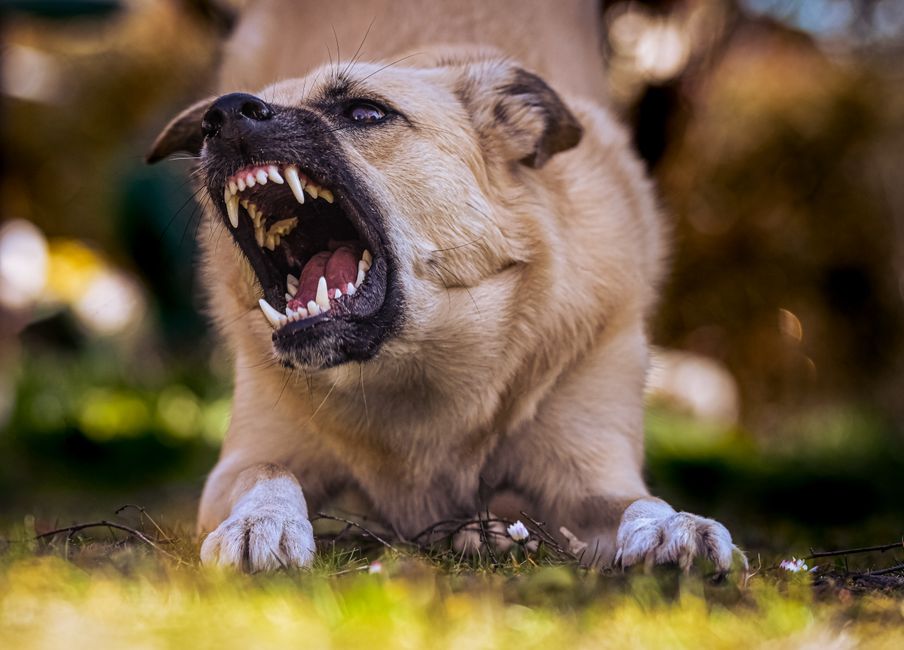
Understanding whether your dog is truly suffering from firework anxiety is the first step in providing meaningful support. Many dogs show mild unease around loud noises, but for some, the reaction can be intense and overwhelming. Typical signs of firework anxiety include trembling, panting, pacing, whining, or trying to hide in closets, bathrooms, or under furniture. Some dogs may bark excessively, drool more than usual, or attempt to escape the house or yard. In severe cases, you might observe destructive behaviors such as chewing through doors or scratching at windows, as well as physical symptoms like vomiting or loss of bladder control.
It’s important to note that these behaviors are not your dog being “bad” or “disobedient.” Instead, they reflect a genuine fear response within your pet’s nervous system. If you notice your dog becoming increasingly agitated as the evening approaches, or if their anxiety seems to linger long after the fireworks have ended, it’s a sign that professional intervention may be needed. The team of veterinarians at Feeling Pawsitive Veterinary Behavior Solutions has extensive experience distinguishing between normal startle responses and more significant behavioral distress, helping you determine the best way forward for your pet.
What Causes Firework Anxiety in Dogs?
To help your dog cope, it is helpful to understand why fireworks are so distressing in the first place. Dogs have acute hearing and can perceive a wider range of frequencies than humans, making loud, sudden noises particularly startling. The unpredictable nature of fireworks—the random timing, volume, and location—can trigger a dog’s instinctive fear of threats in their environment.
In addition to the auditory impact, fireworks produce flashes of light and unfamiliar smells that can further unsettle your dog. Some dogs are genetically predisposed to anxiety, while others may have learned to associate fireworks with negative experiences, especially if they have a history of trauma or lack of early positive exposure to loud noises. Certain breeds and individual temperaments are also more susceptible to noise phobias.
Finally, the absence of control plays a major role. Dogs cannot predict or escape fireworks, and when their attempts to hide or seek comfort do not result in relief, anxiety can escalate. Recognizing these underlying causes allows pet owners to approach the problem with empathy and proactive solutions.
Proven Fear-Free Strategies to Calm Your Dog
Addressing firework anxiety in dogs requires a multi-faceted, compassionate approach. At Feeling Pawsitive Veterinary Behavior Solutions, we specialize in Fear-Free techniques that prioritize your pet’s emotional wellbeing as much as their physical health. Treatment approaches often involve creating a safe space, desensitization and counterconditioning, and, in some cases, medical intervention tailored to your dog’s needs.
Creating a Safe Space
Many dogs find comfort in a familiar, quiet area of the home. Setting up a designated “safe zone” away from windows and exterior doors can help minimize exposure to the sights and sounds of fireworks. This space might include a favorite bed, toys, and a piece of your clothing for reassurance. Playing white noise or calming music can help mask loud sounds. Some pet owners find success with anxiety wraps or snug-fitting shirts that apply gentle pressure and provide a sense of security.
Desensitization and Counterconditioning
One of the most effective long-term solutions for firework anxiety is gradual desensitization. This process involves exposing your dog to recorded firework sounds at a very low volume while engaging in positive activities, such as play or feeding treats. Over time, as your dog becomes more comfortable, the volume is slowly increased. This technique should always be performed under the guidance of a veterinary behavior specialist to prevent accidental setbacks or increased fear.
Counterconditioning pairs the scary sound with something your dog loves, helping to change their emotional response. For example, when a firework goes off, immediately offer a high-value treat or start a favorite game. With repeated practice, your dog may begin to associate the noise with positive outcomes rather than fear.
Medical and Therapeutic Support
For dogs with severe firework anxiety, environmental management alone may not be enough. Our veterinary team can recommend prescription medications or calming supplements that are safe and effective when used under supervision. Fast-acting anti-anxiety medications can be given prior to expected firework events, helping to reduce the intensity of your dog’s fear response. In some cases, ongoing behavioral therapy and medication may be necessary for lasting results.
Therapeutic options extend to the use of pheromone diffusers, calming chews, or prescription diets formulated to support emotional health. Each dog is unique, so the best results come from a customized plan crafted in collaboration with veterinary behavior professionals.
Home Care Tips for a Calmer Firework Season
In addition to professional intervention, there are several steps you can take at home to help your dog feel more secure during fireworks. Begin by walking your dog earlier in the day, well before fireworks are likely to begin, to prevent the need for outdoor bathroom breaks during peak noise times. Feed meals in a quiet area and ensure your dog has access to their safe space before fireworks start.
Keep windows and curtains closed to block out flashes of light and reduce noise. Some pet owners find that turning on fans, air conditioning, or playing background music creates a more soothing environment. Stay calm and offer gentle reassurance; dogs are highly attuned to their owners’ emotions and can pick up on your anxiety. However, avoid punishing or scolding your dog for fearful behaviors, as this can worsen anxiety and erode trust.
If your dog is microchipped, double-check that your contact information is current. Frightened pets may bolt through doors or fences, so ensuring identification is up-to-date offers extra peace of mind.
When to Seek Veterinary Behavior Support
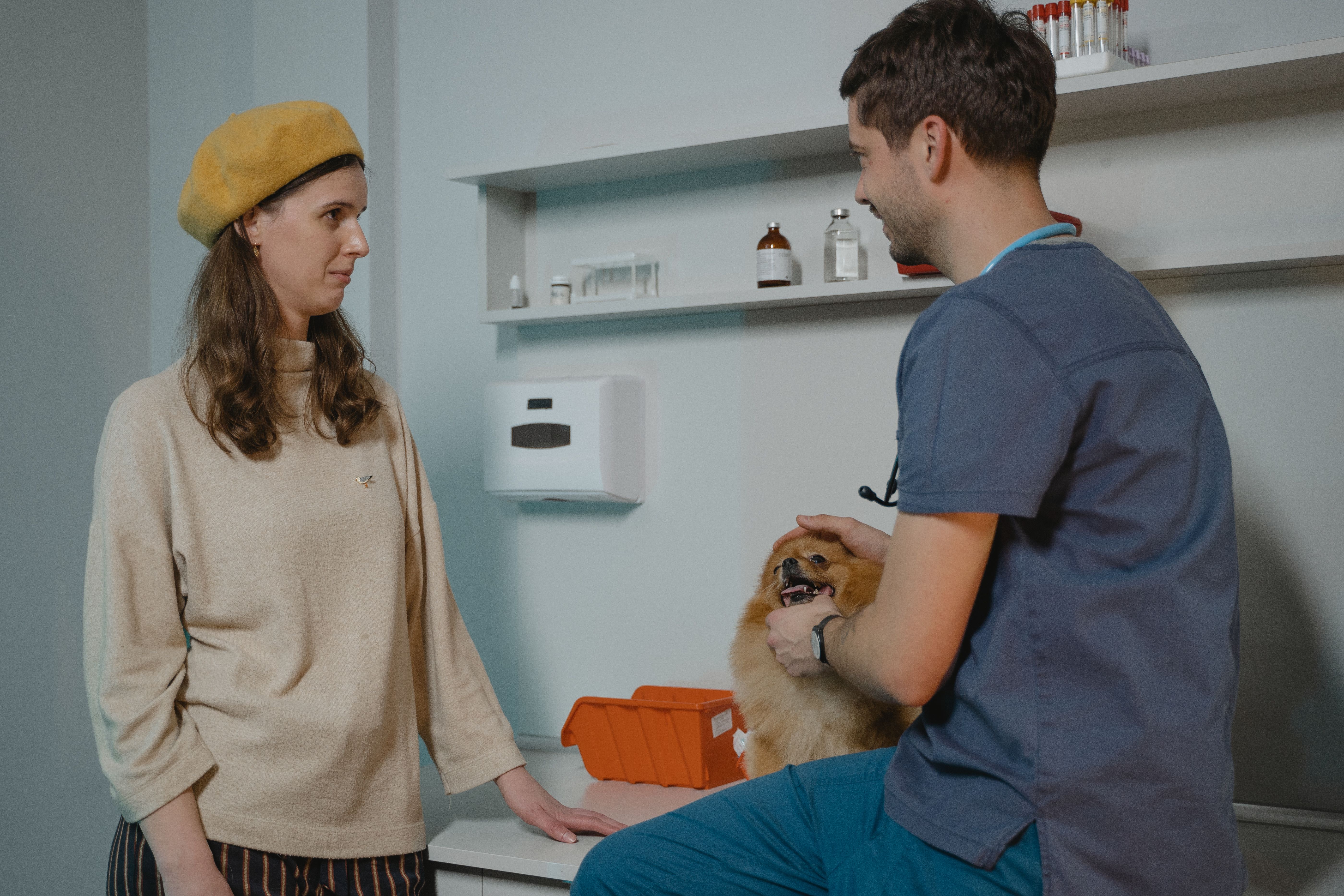
While many pet owners can successfully manage mild firework anxiety at home, there are times when expert intervention is not only helpful but necessary. If your dog’s anxiety interferes with daily life, leads to destructive behavior, or results in physical harm, it’s time to consult with a veterinary behavior specialist. Additionally, if you have tried home remedies without improvement, or if your dog seems to panic more with each fireworks season, professional support offers the best path forward.
At Feeling Pawsitive Veterinary Behavior Solutions, our team of veterinary professionals takes a science-based, compassionate approach to behavior modification. We work closely with you to develop personalized treatment plans that address your dog’s unique triggers, fears, and family dynamics. Our Fear-Free philosophy means your dog’s emotional wellbeing is always at the forefront, and our ongoing support ensures you have guidance every step of the way.
If your regular veterinarian recommends specialized behavior care, you can trust our clinic to provide advanced expertise and a caring touch. We proudly serve North and South Carolina, including communities like Clemson, Central, and Seneca, as well as neighboring areas.
Helping Your Dog—and Your Family—Enjoy a Stress-Free Summer
Firework anxiety is a real and serious challenge for many dogs and their families, but with the right tools and support, a calmer summer is within reach. Remember, you are not alone; veterinary behavior specialists are here to help you understand your dog’s fears and develop a plan that brings relief. By recognizing the signs of anxiety, using proven Fear-Free strategies, and seeking expert guidance when needed, you can help your dog feel safer and more at ease during fireworks season.
If you are searching for a veterinary behavior vet near me, or if you need support managing your dog’s firework anxiety, we invite you to contact Feeling Pawsitive Veterinary Behavior Solutions. Our team of veterinarians is dedicated to compassionate, individualized care for pets throughout North and South Carolina. For expert guidance tailored to your pet’s needs, call us at (864) 991-8024 or visit our website at feelpawsitivevetbehavior.com. Together, we can help your dog—and your entire household—feel pawsitive about the summer ahead.
If your pet is experiencing extreme distress or has harmed themselves, please seek immediate veterinary care. The information provided here is for educational purposes only and should not replace professional consultation with a veterinary behavior specialist.